How to Write a Limerick for Kids
A limerick has five lines: lines 1, 2, and 5 share one rhyme; lines 3 and 4 share another, forming the AABBA pattern. Choose a person, animal, object, or place. Draft three longer lines with the A rhyme, then two shorter lines with the B rhyme. How to Write a Limerick for Kids: A Practical Guide follows five stages: plan, rhyme, draft, read aloud, and revise. The first draft need not have perfect metre. A strong pattern, playful language, and a logical ending offer children a practical starting point.
📥 My Limerick Writing Workshop
Plan, rhyme, draft, and polish a funny poem
Leave your email — we'll send the PDF to your inbox.No spam — the PDF plus one short reminder. Unsubscribe anytime.
What Makes a Poem a Limerick?
A limerick has five lines. Lines 1, 2, and 5 rhyme together. Lines 3 and 4 share a different rhyme. We label the pattern AABBA. The first, second, and fifth lines are longer; the middle pair moves faster.
The core pattern in How to Write a Limerick for Kids: A Practical Guide appears in this example:
There once was a cat on a chair, (A)
Who dreamed it could fly through the air. (A)
It leaped to a kite, (B)
And sailed out of sight, (B)
Then came home with fluff in its hair. (A)
Your child should notice three features: matching end sounds, shorter middle lines, and a small surprise at the end. The poem describes one complete event instead of combining five unrelated rhyming sentences.
Plan Your Idea Before Choosing the Rhymes
In How to Write a Limerick for Kids: A Practical Guide, planning starts with four choices: a central figure, a familiar place, an unusual action, and a closing result. A child might choose a parrot, a market, a runaway basket, and a funny landing. One sentence can hold the plan.
Let your child choose a setting from their life or imagination. A kitchen, balcony, beach, bus, village path, city park, or family shop can work. Children need not copy another culture’s setting or choose unfamiliar names merely for a rhyme.
Plan the final word of line 5 early. The ending delivers the result or surprise, so it needs a strong rhyme family. If the final word is night, partners include light, kite, bright, and sight. Your child can select words that serve the story.
Build the Rhyme and Rhythm
Rhyme depends on sound, not spelling. Chair, bear, and air rhyme despite different endings. Words with similar spelling may sound different across varieties of English. Say each pair aloud and listen for the final stressed vowel and following sounds.
Syllable counts guide writers but do not define the whole form. A good limerick has a bouncing pattern of weak and strong beats. Ask your child to clap on the strongest words. If a line feels crowded, remove a detail. If it feels empty, add one precise adjective or action.
Use Clear Grammar and Punctuation
Many limericks begin in the past tense: “There once was a fox by the sea.” Keeping later actions in the past creates a sequence: the fox found, carried, and dropped something. A sudden change to finds or drops confuses readers unless the entire poem changes tense deliberately.
Check subject–verb agreement. Write “There was a bird” but “There were two birds.” Line breaks cannot replace punctuation. A sentence may span two or three lines, but it still needs commas, full stops, or question marks where meaning requires them.
Grammar Check
Choose the correct words: “There was / were a small bird on a gate. It sing / sang to the moon until late.” Answers: was and sang.
Contractions such as couldn’t or didn’t make crowded lines easier to say. Across LearnLink lessons, our tutors ask children to read complete sentences aloud. Reading exposes missing words and awkward verb forms that are harder to spot on the page.
Write the First Draft Step by Step
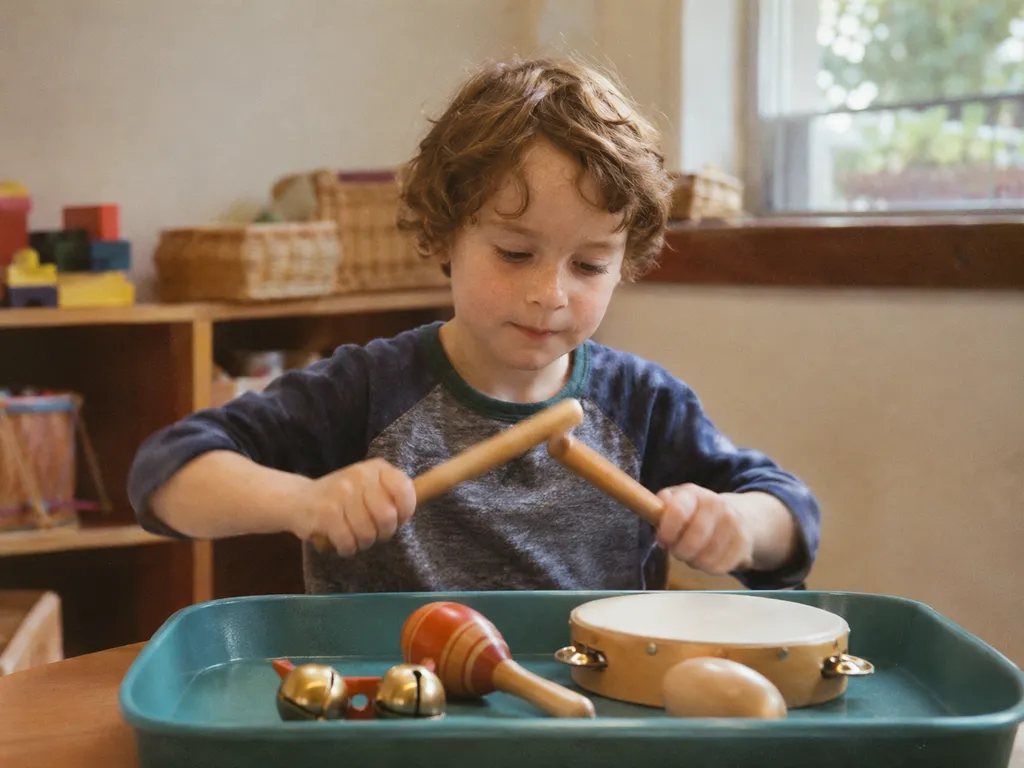
The method in How to Write a Limerick for Kids: A Practical Guide turns one idea into a draft through six manageable steps. A child can finish them in one sitting or work across several short sessions.
- Write the main figure and setting: “a sleepy goat at a station.”
- Choose an A-rhyme family for lines 1, 2, and 5.
- Choose a different B-rhyme family for lines 3 and 4.
- Draft the long opening lines without worrying about perfect rhythm.
- Add the short middle pair and a clear final result.
- Read the poem aloud, then adjust words that disturb the beat.
A child could pair station with vacation and celebration, then use train and rain for the shorter lines. Longer words may be harder to fit, so a different A rhyme can produce a smoother poem. Changing the rhyme bank is part of writing, not failure.
Keep the first draft visible during revision. Cross out only troublesome words, then try a shorter verb or stronger rhyme. This preserves the child’s original idea and presents revision as improving the poem instead of starting again.
Common Mistakes and Useful Practice
A weak limerick may repeat one rhyme across all five lines, add a sixth line, or force in a word that contradicts the meaning. Another problem is a final line that repeats the opening without a result. Ask what changed between line 1 and line 5. The answer should be specific.
Do not let rhyme replace sense. “A frog ate a blue telephone” works as playful nonsense if the poem explains the action. A random rhyming word leaves readers puzzled. Humour works when the event surprises readers yet remains easy to follow.
Complete the Rhyme Bank
Add two words to each group: cake, lake, ___, ___; moon, spoon, ___, ___. Possible answers include make, shake, soon, and tune.
Rhyme practice should return to meaning. Ask your child to choose one word from each bank and describe the possible event before writing lines.
Repair the Rhythm
Shorten this crowded line without changing its central idea: “There once was a small dog in a boat.” One option is: “A small dog once sailed in a boat.” Read both versions aloud and clap the strong beats.
Use How to Write a Limerick for Kids: A Practical Guide as an editing check. Confirm five lines, the AABBA pattern, two shorter middle lines, steady tense, correct punctuation, and an ending that completes the event.
When a word has several meanings or pronunciations, Cambridge Dictionary is a useful check before turning it into child-friendly examples.
Frequently Asked Questions
Can a Five-year-old Write a Limerick?
Yes, with oral practice and adult help. Treat How to Write a Limerick for Kids: A Practical Guide as a speaking activity first. Your child can choose the figure and action, suggest rhymes, and repeat each line while an adult writes. One complete five-line poem is enough. Older children can control more of the spelling, punctuation, and rhythm.
Does Every Limerick Have to Be Funny?
No. Limericks are often playful, but the ending may be surprising, warm, or gently absurd instead of laugh-out-loud funny. Your child might write about a quiet moon, stubborn shoe, or animal solving a small problem. The five-line form and AABBA rhyme pattern matter more than a joke.
Must Every Line Have an Exact Number of Syllables?
No single count fits every limerick. Start with about 8–9 syllables in lines 1, 2, and 5, and about 5–6 in lines 3 and 4. Rhythm and natural speech matter as much as counting. If your child must twist normal word order to reach a number, revise the line.
How Can Adults Help Without Writing the Poem?
Ask focused questions: Who is in the poem? Where are they? What goes wrong? How does it end? Record rhyme suggestions, tap the beat, or read the draft aloud. Preserve the child’s choices. Correct one issue at a time so rhyme, grammar, and handwriting remain separate tasks.
Can Multilingual Children Use Ideas from Another Language?
Yes. Your child can plan the event in a familiar language, then build the final lines in English. Rhymes rarely translate word for word, so choose English end words after planning the event. Comparing sound patterns across languages sharpens listening while allowing the child’s cultural and language knowledge to support the poem.
If your child needs steady speaking practice, start small — choose a trial lesson.
Stay updated on our latest tips and resources by following us on Instagram LearnLink.